24 | 07 | 26
Temporary theatre buildings: your practical guide to setting up a successful interim venue

Today’s temporary theatre buildings give you all the facilities you need to create a great experience for your guests, performers and crew – whether you’re refurbishing your usual venue or taking your shows to a temporary location. So, here’s our practical guide to getting your interim theatre up, running and ready for showtime…
What situations are temporary theatre buildings useful for?
If you’re weighing up how to refurbish your existing theatre building without disrupting your planned performances, a temporary theatre can help you make the transition seamless. Fitted out to give you all the technical capabilities and comfort you need, for as long as your construction work takes place, they’re a practical way to keep you performing, and pulling in revenue.
But refurbishment isn’t the only reason theatres choose temporary buildings. They’re also a great way to bring a panto to a town that hasn’t got its own theatre, put on a summer season for a City of Culture, or just give a wider audience access to your performances.
Here at GL events, we regularly run hugely successful temporary theatre projects, creating high-quality performance spaces everywhere from the Hay Festival and Orchard West Theatre to West Green House Opera, Gawsworth Hall and Secret Cinema.
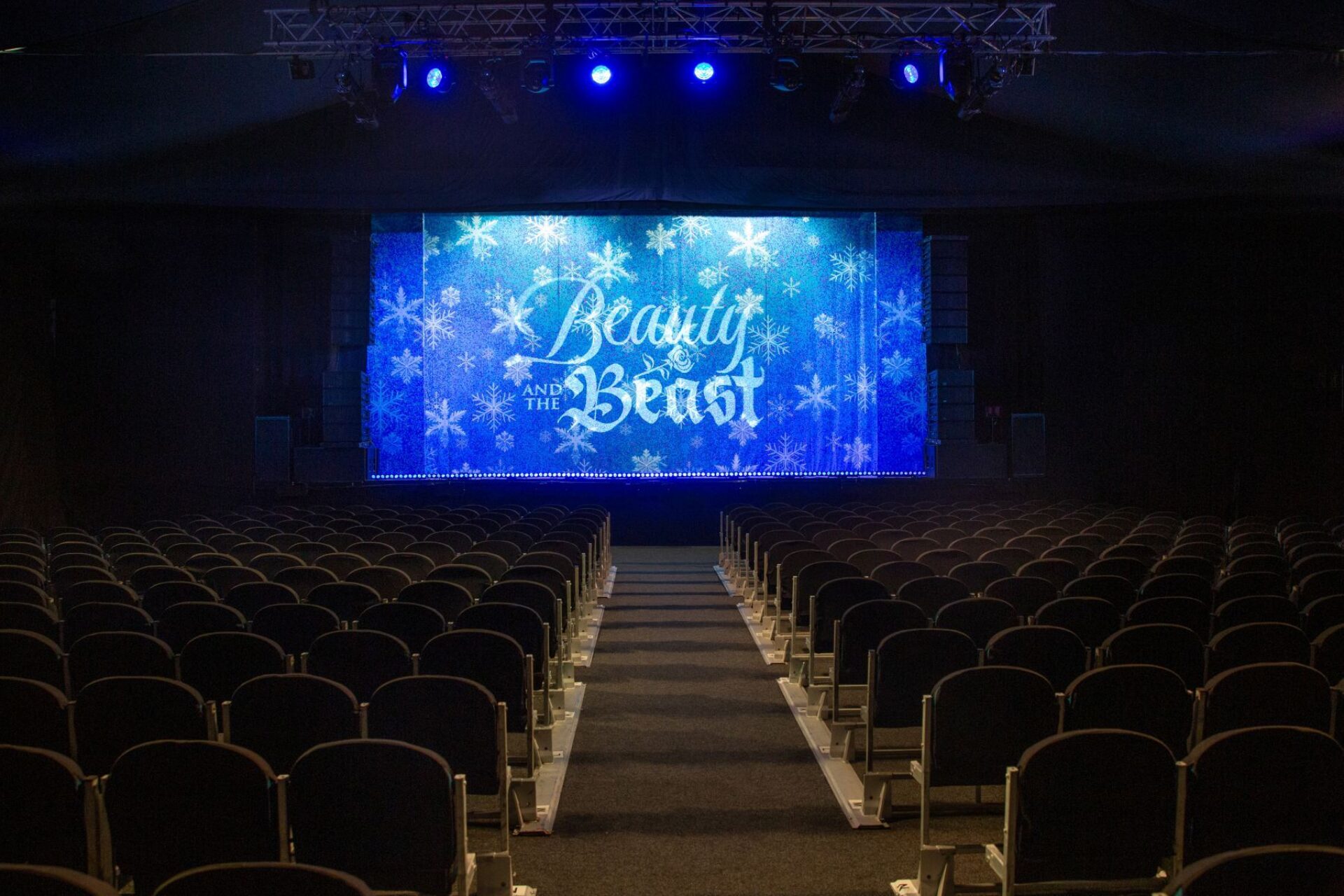


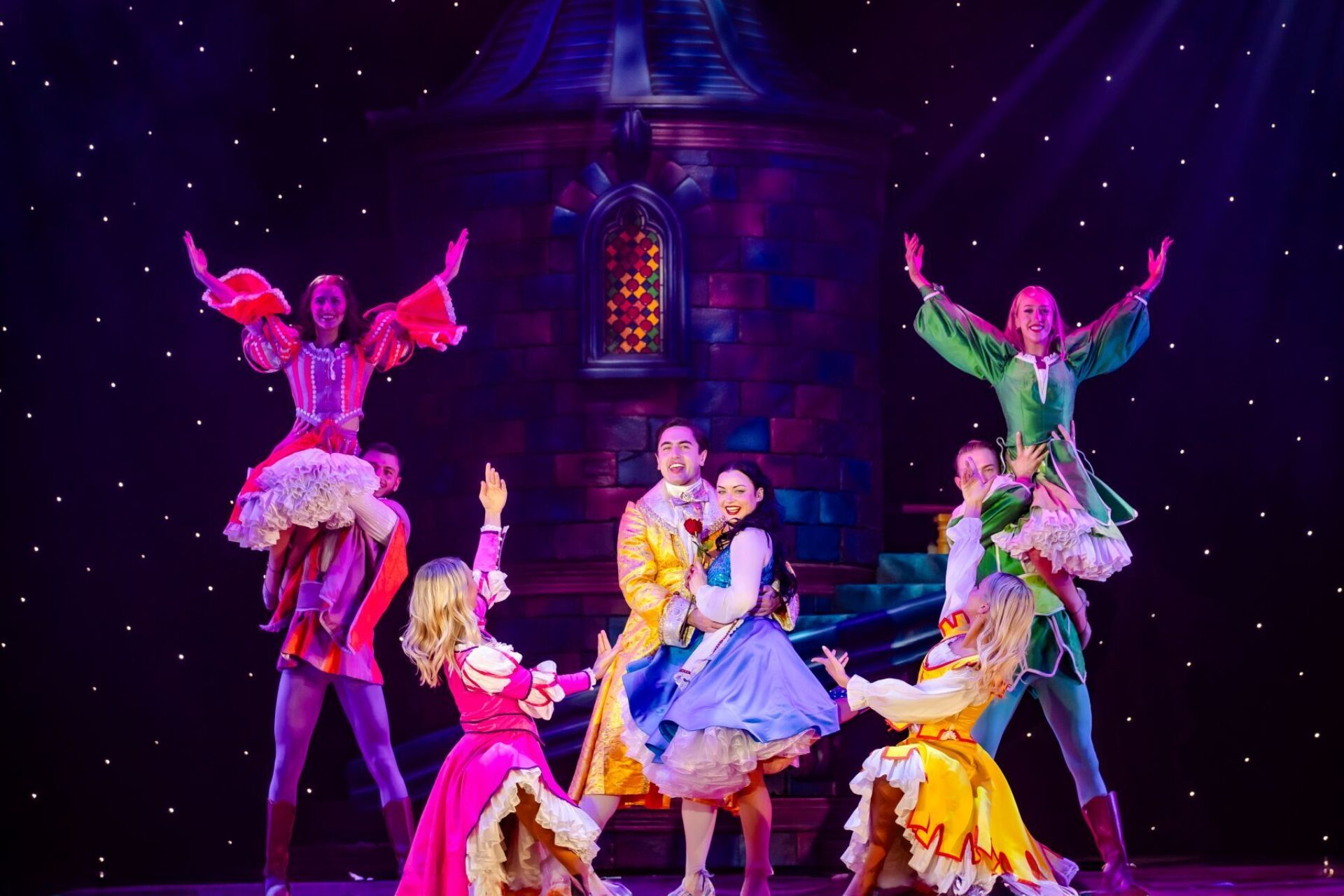
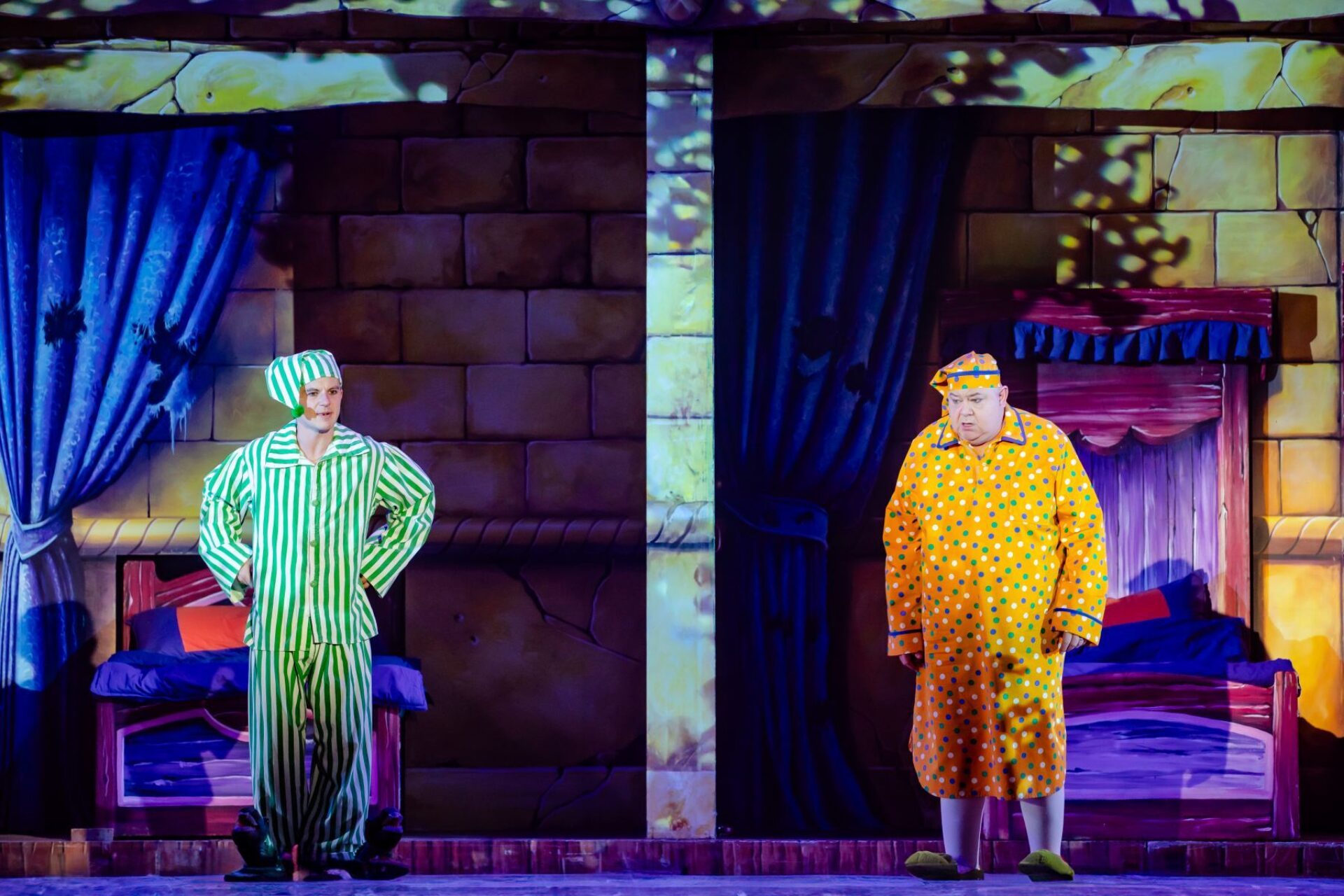
Production ready, turnkey temporary theatres
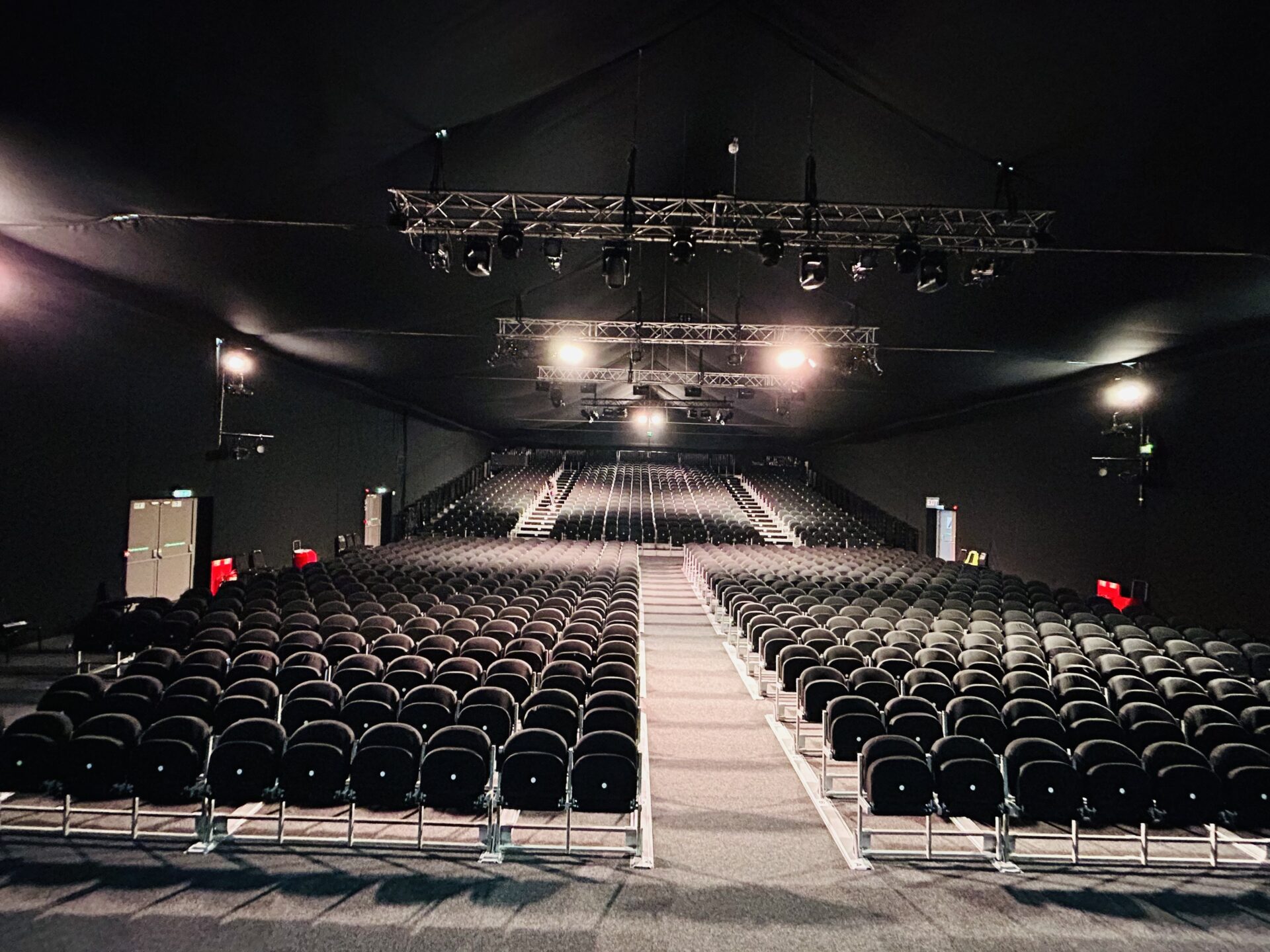
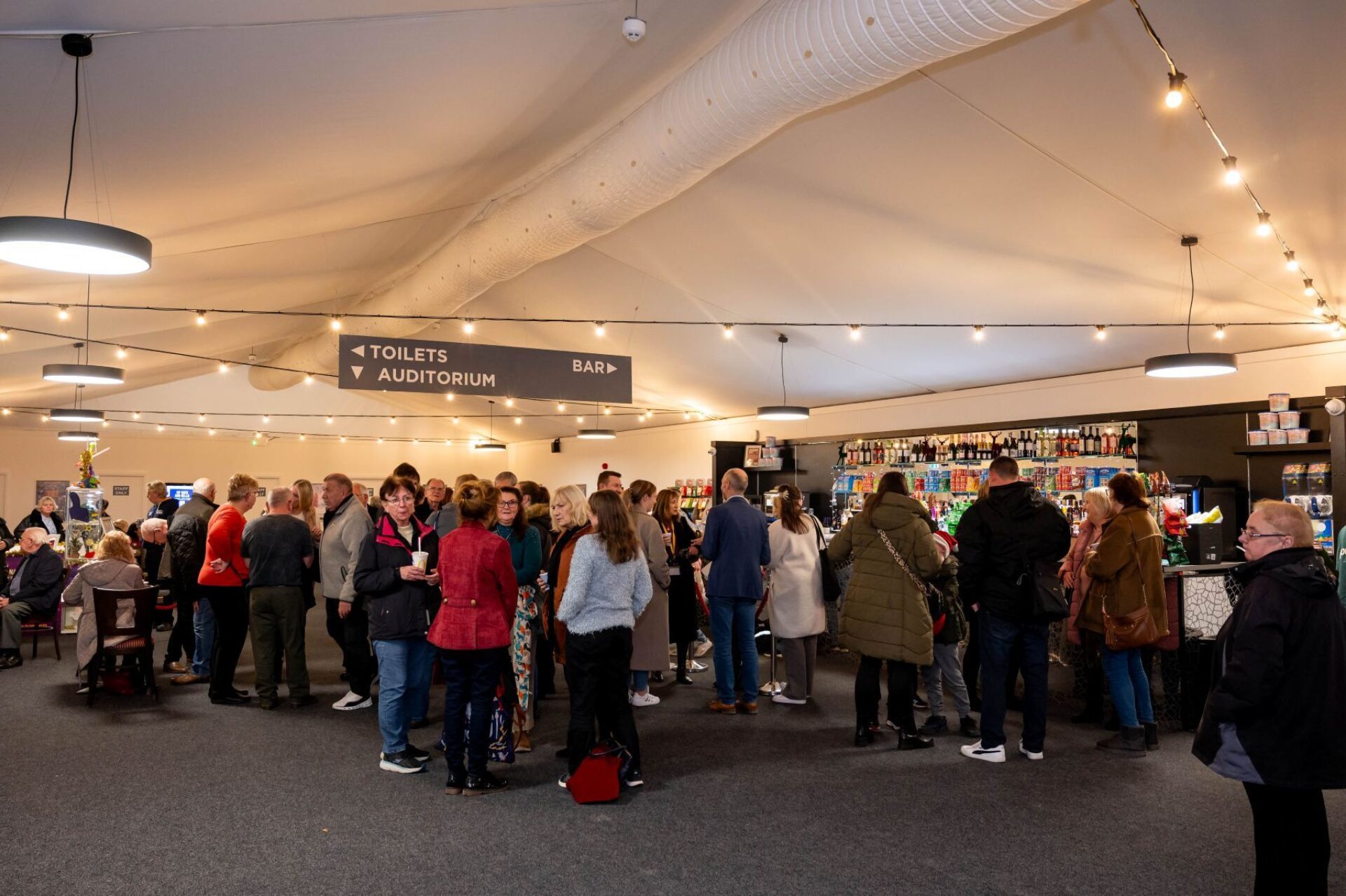
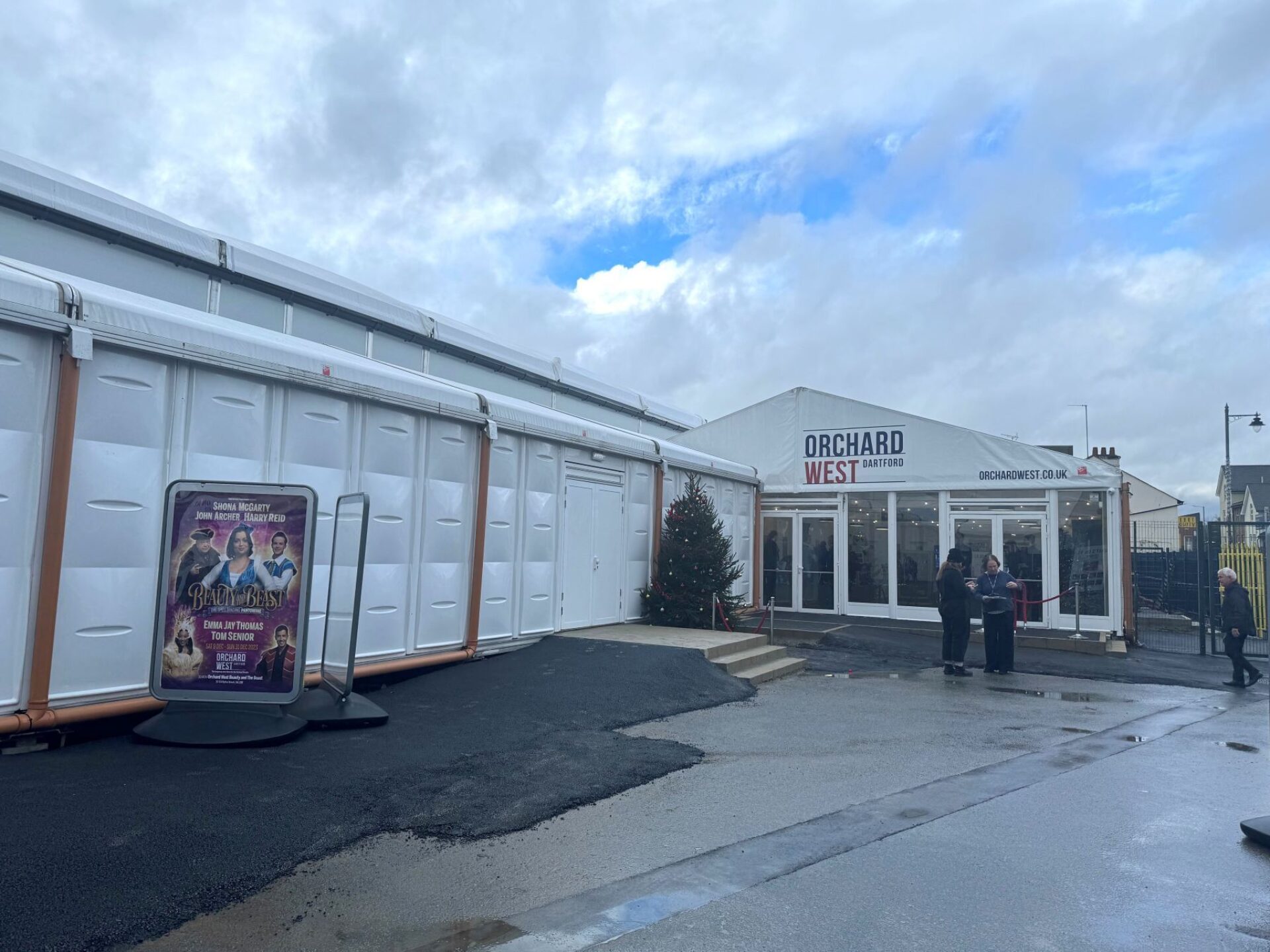
Explore how we designed and installed a fully functional temporary theatre. The project included a 1,000 seat auditorium, bar and concession area, toilets, as well as larger than average back of house space for dressing rooms, wardrobe and props department, all ready for peak panto season.
Testimonial
"GL events has been incredible. Their hands on approach and continued support, plus the fact that they understand theater - what we do, what we're trying to achieve and what Trafalgar Group are all about - made the project run much more smoothly than if someone else had been used for the project."
Tal Rosen
Theatre Director, Orchard Theatre, Dartford
What are the opportunities for revenue generation?
Most venue managers are concerned that a temporary offer could impact revenue streams. We at GL events see it as an opportunity to review whether your current space is delivering everything it could. Consider it an opportunity to model and test new commercial offers without committing to a large capital investment. For example, could you reposition the shop, extend the bar or offer an elevated hospitality experience that was simply not possible within the permanent venue. The good news is that we can help you shape how that looks by using state-of-the-art 3D design and special planning. More often, it's about creating the right environment to unlock new revenue opportunities, improve visitor flow, elevate hospitality offerings and enhance the overall guest experience. Together, we can assess and collaboratively plan the space, giving you an opportunity to re-imagine your venues commercial offer:
- Where are guests experiencing friction?
- Which revenue opportunities are being constrained?
- Is demand year-round or event-specific, with the need to flex for peak seasons, like pantomime?
- Could flexible infrastructure outperform permanent space?
- What experience are we trying to create?
Every part of your venue should contribute towards a commercial or experiential objective, whether that's premium hospitality, audience satisfaction, the attraction of touring productions and operational efficiency.
Designing a temporary venue
To help you get started, we use the very latest 3D design technology to bring your venue to life, before it’s even been built. This will help you make decisions on guest flow, commercialisation, finishes, orientation and guest infrastructure such as bar sizes and locations within the structure.
What facilities can a temporary theatre building give you?
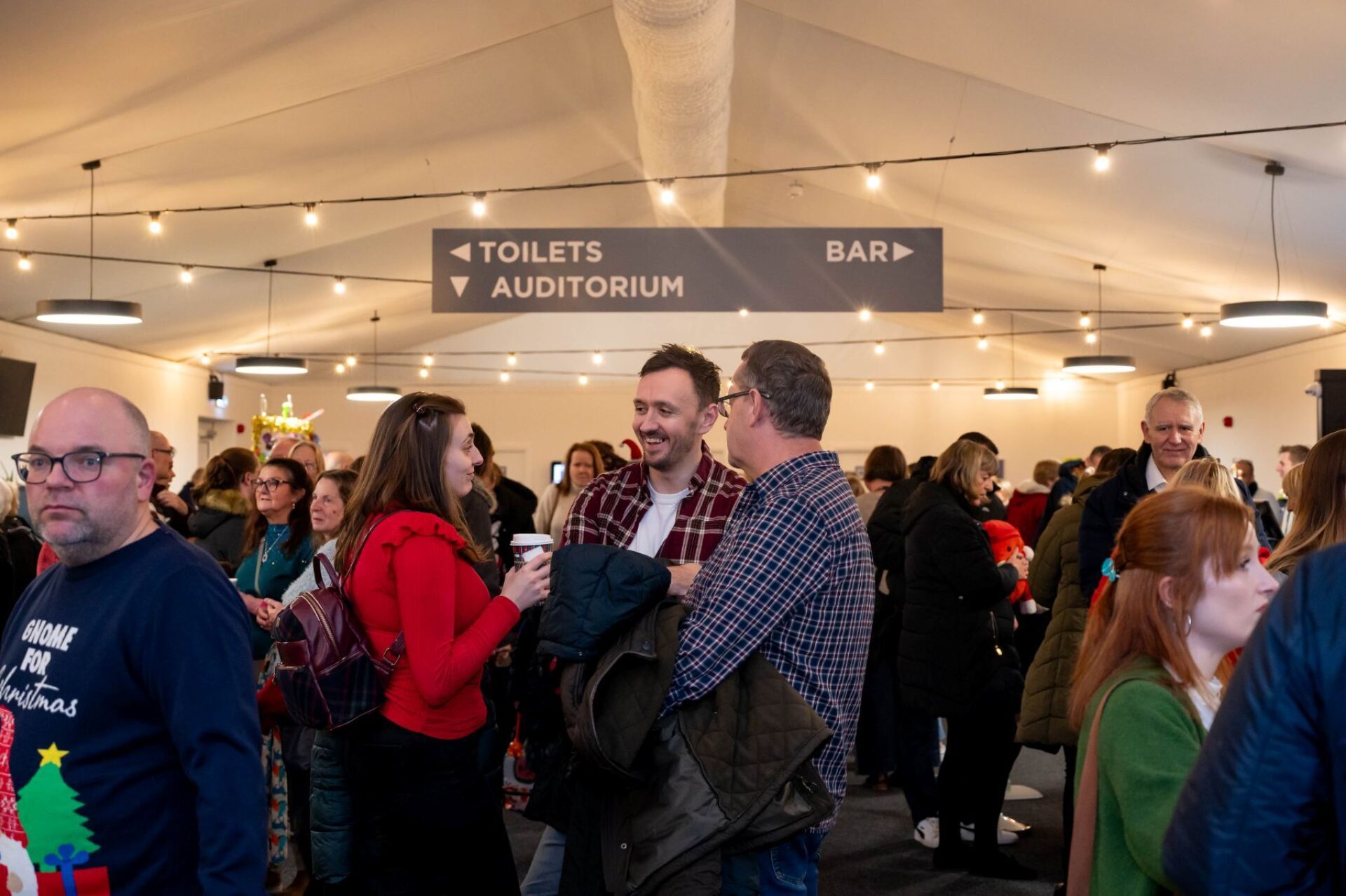
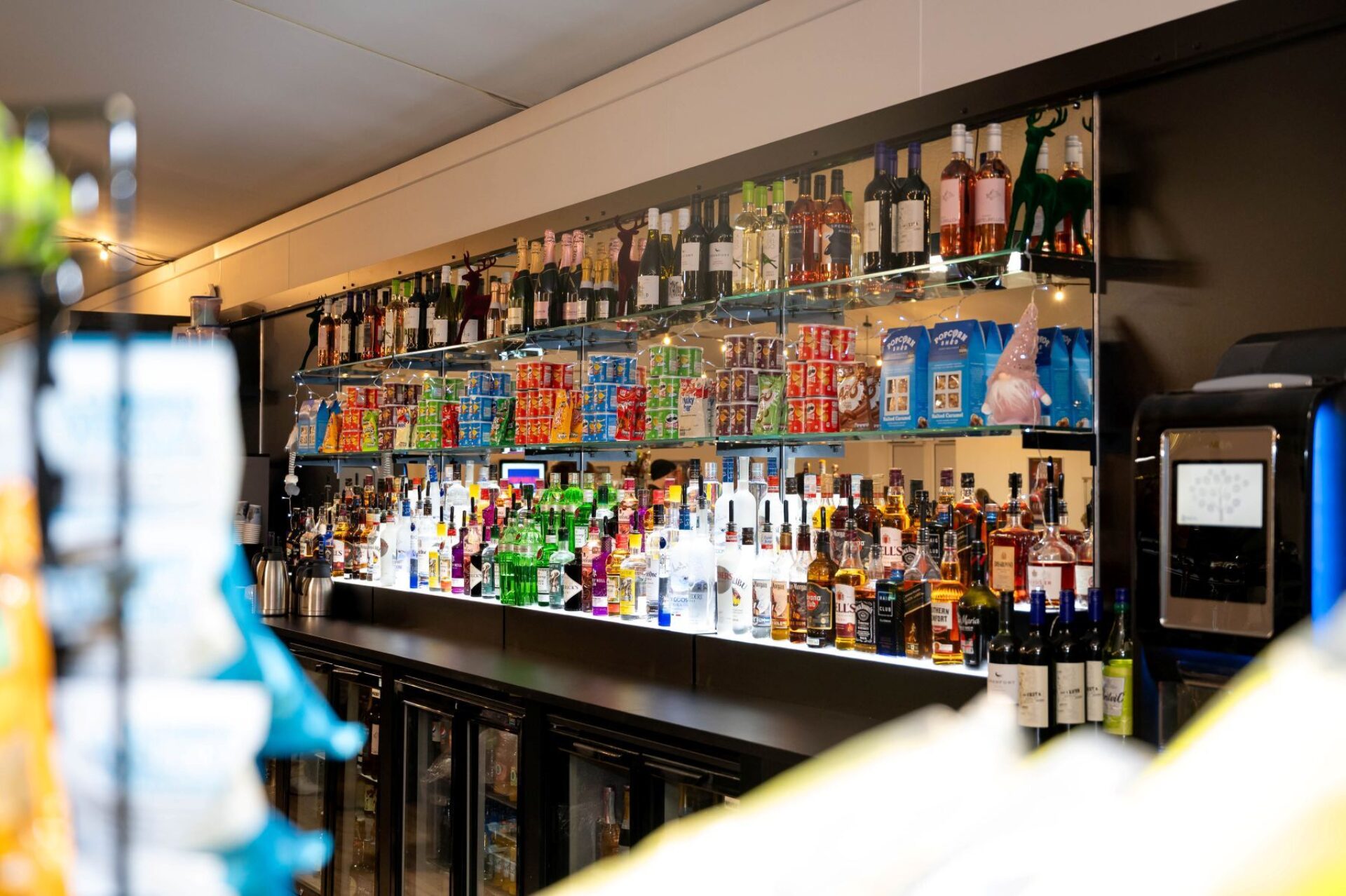
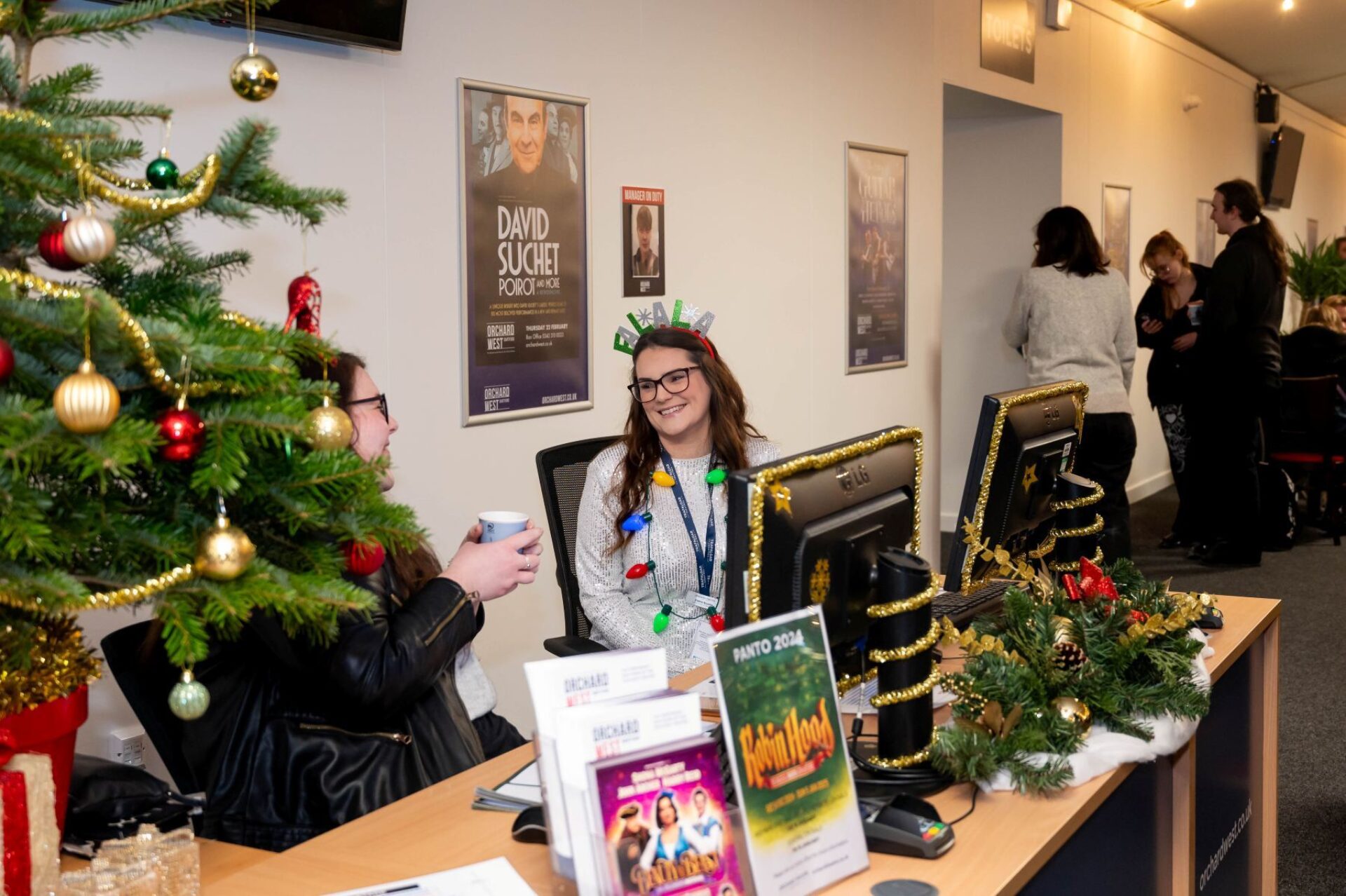
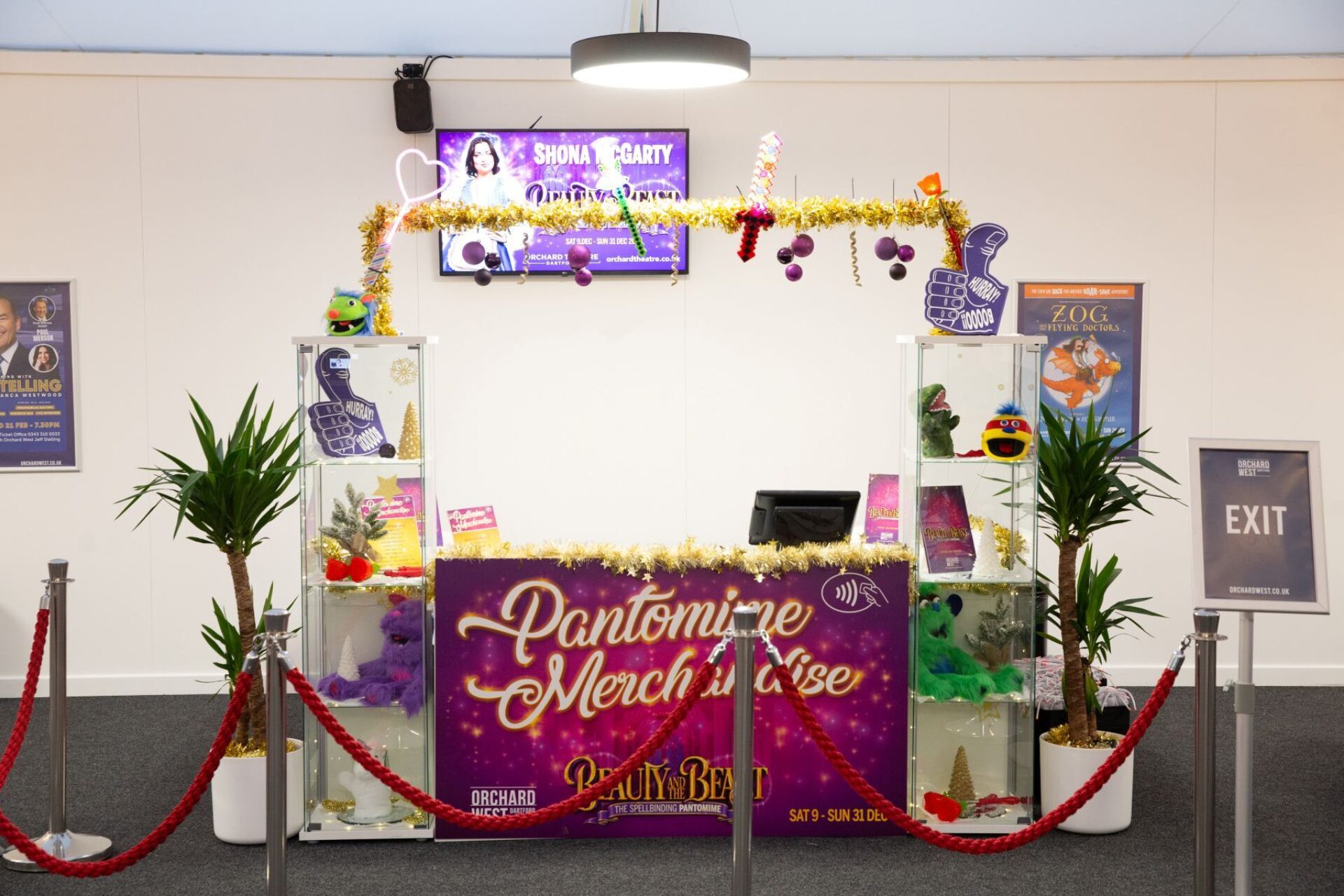
Temporary theatre buildings are designed and built to your unique specifications, so they can give you all the spaces and facilities you need, including:
| Stage | Auditorium | Tiered seating |
| Backstage area | Rehearsal rooms | Insulated music rooms |
| Insulated music rooms | Orchestra pit | Costume areas |
| Changing rooms | Props rooms | Showers and toilets |
| Make-up rooms | Production offices | Box office |
| Bars and restaurants | Food storage and chillers | Front-of-house spaces |
Fully equipped with high-spec power, seating, water, heating and cooling, lighting and sound, they’re designed to create the same experience you’d expect in a permanent venue. So however challenging your refurbishment or ambitious your plans, you don’t need to compromise.
We can even create insulated music rooms for your orchestra, adapted effects for people with sensory issues, and the space and screens for your show to be subtitled or signed.
“Our team can build every kind of space a theatre needs, from the stage and auditorium to the box office and bar – all fully kitted out with the power, tech, internal dressing and branding to create a really great theatre experience.”
David Tunnicliffe
Commercial Director, GL events
What capacity can a temporary theatre offer?
Typically, temporary theatre buildings can hold audiences of up to 1,000, usually in a single-storey structure. At GL events, our team regularly delivers theatres of that size, so we can create yours quickly, seamlessly and at a reasonable cost.
If space on site is tight, we can also create multi-level structures to give you all the facilities you need. And if you’ve got bigger plans, a bigger budget and enough time for a more complex planning process, we can help you create a much larger space, accommodating audiences of up to 2,000 or even 3,000 people.
However many people you need to accommodate, our experienced team will make sure there’s safe, easy access into and around the building, both during normal use and in emergencies.
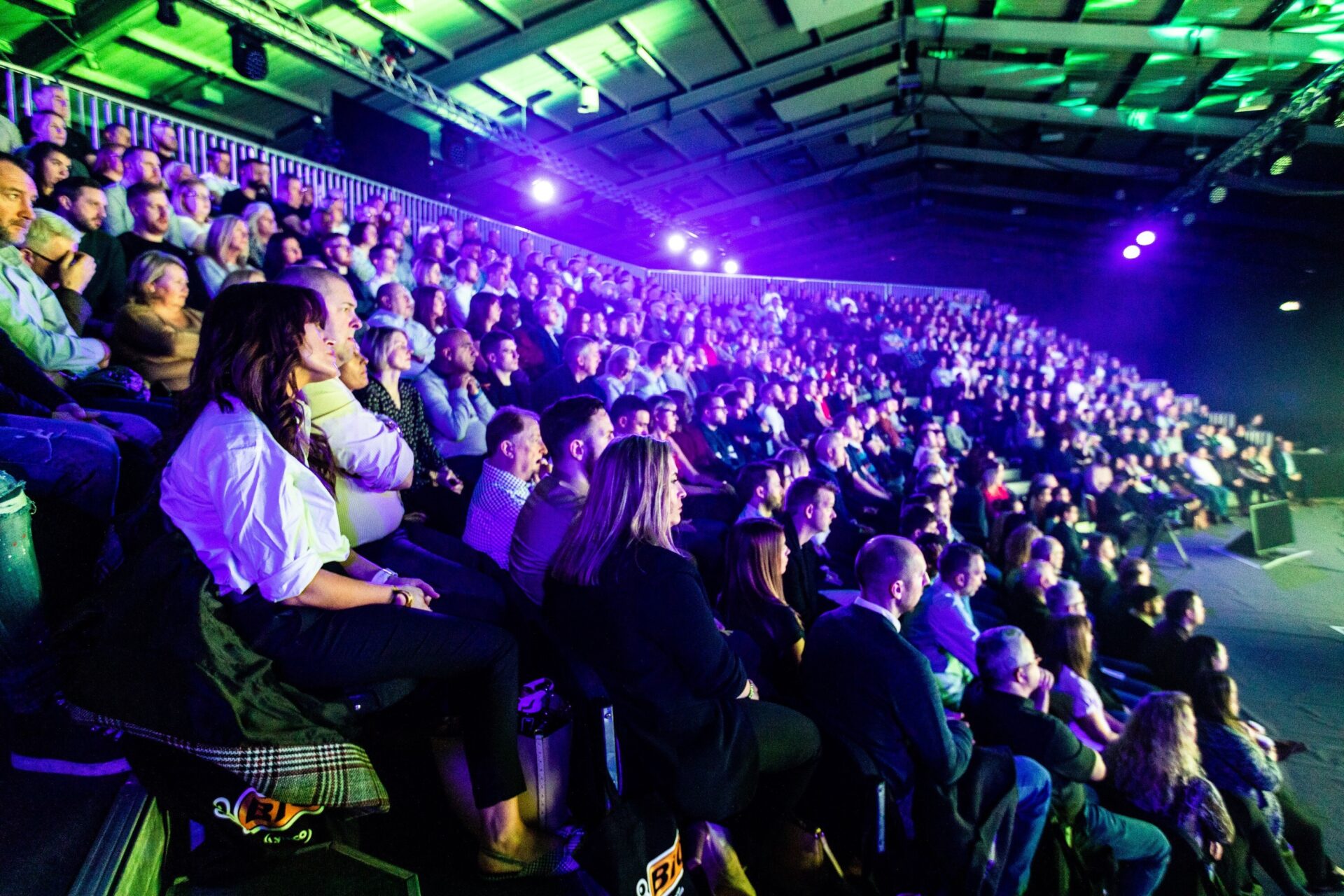
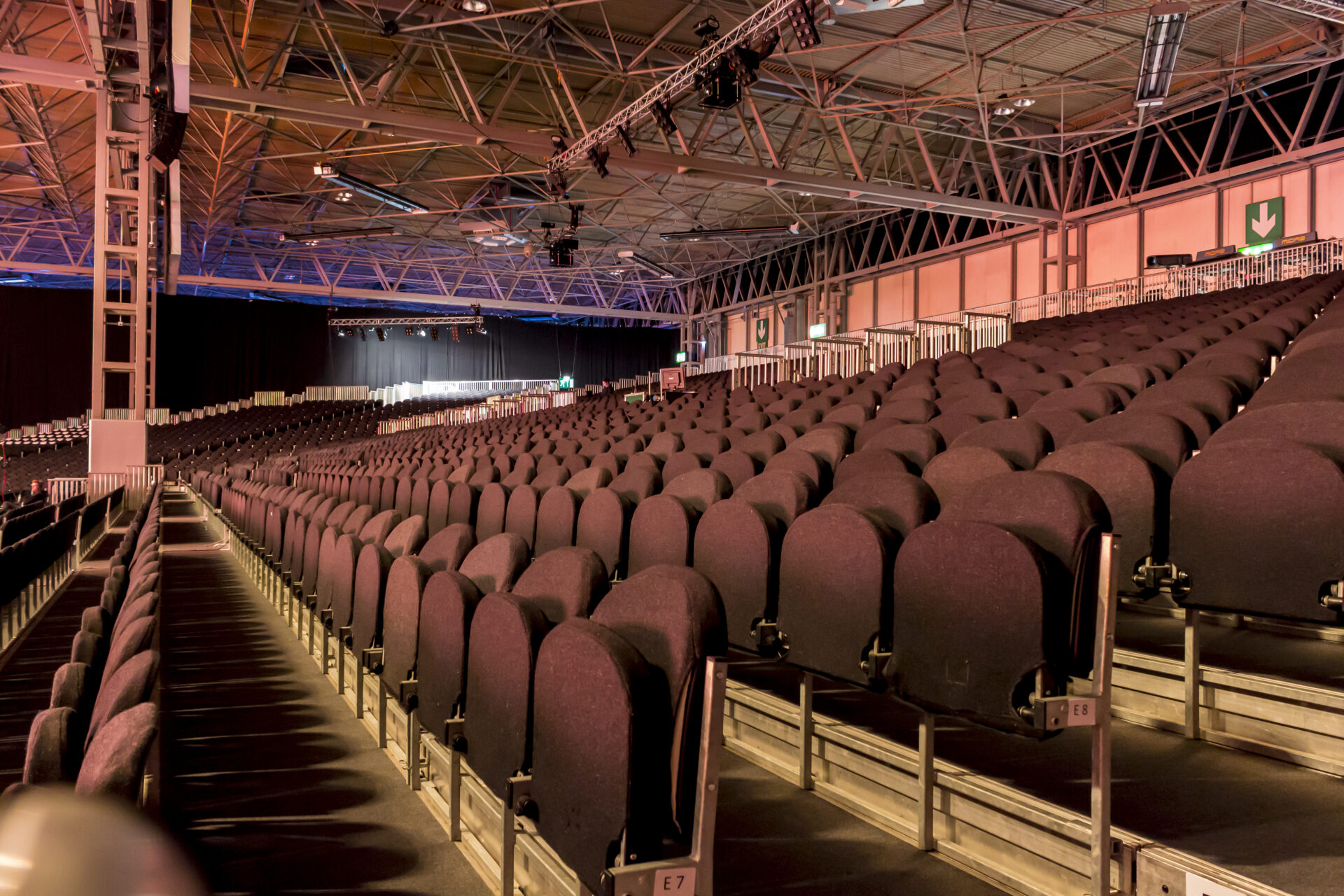
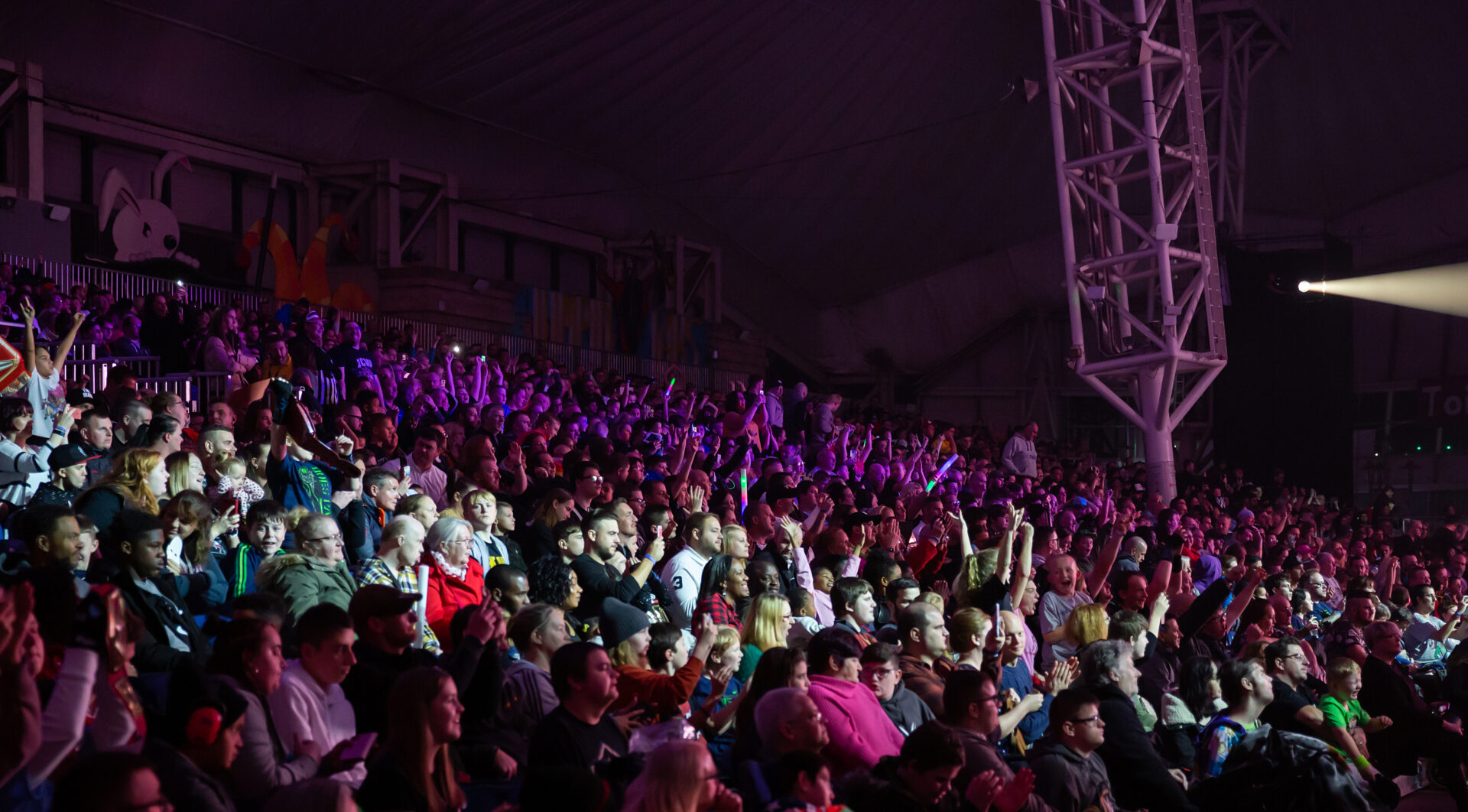
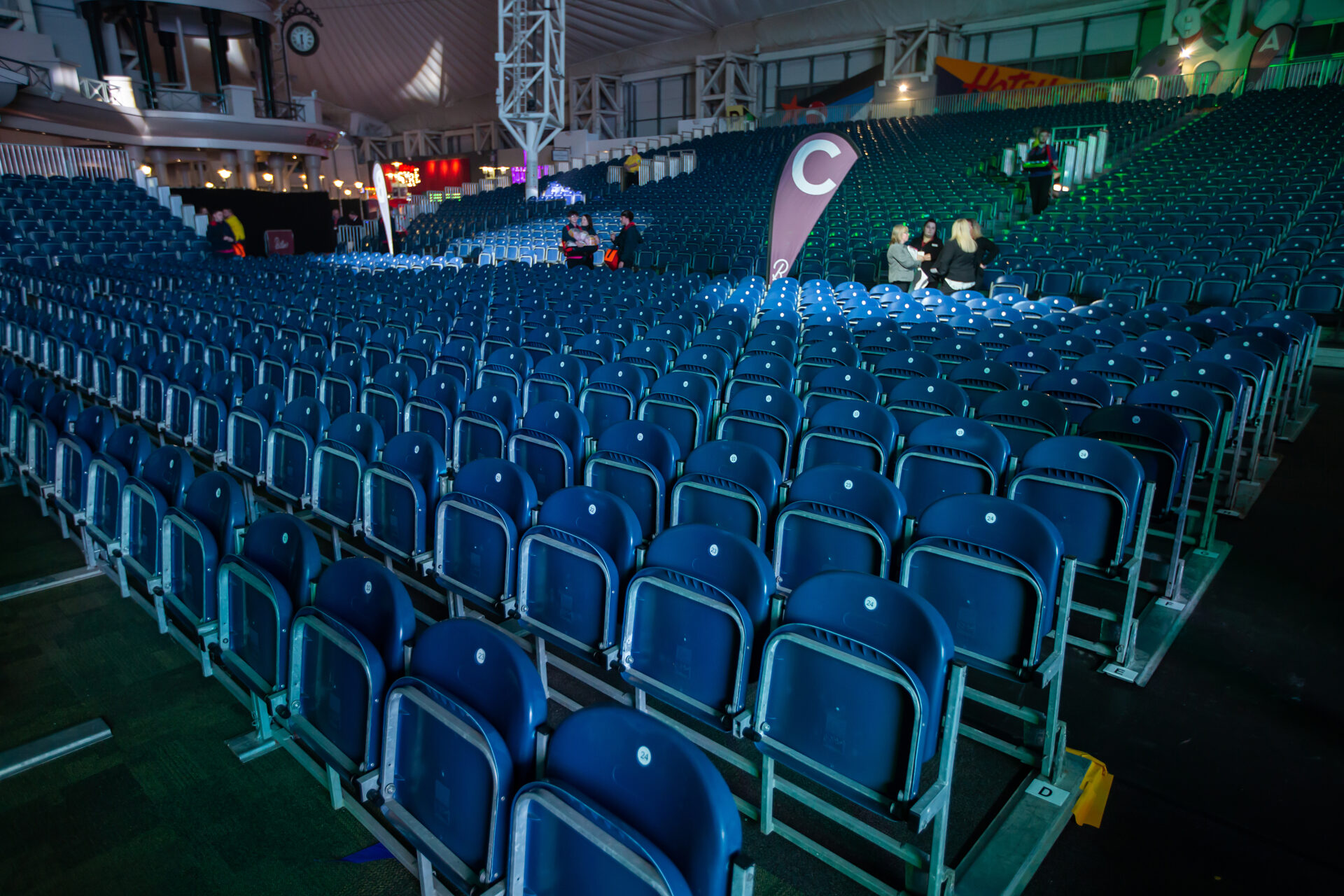
The best seats in the house
As part of our approach to turnkey temporary venue solutions, we can provide a wide range of temporary seating options, giving your audience the best seats in the house.
Where can temporary theatre buildings be located?
Your temporary theatre can be set up virtually anywhere, from a city centre to the middle of a field. If you’re refurbishing your usual premises, you might have space in your car park to locate your temporary building there, creating continuity for your customer base and team. Or, if you’re taking a show to a new location, you might choose a more picturesque, rural spot.
Wherever you’ve got in mind, you’ll need to ask the landowner for permission. If your temporary theatre will be up for longer than 28 days or is larger than 100m2 you’ll need to ask the local council for planning permission too, and teams like ours can support you through that process.
Your theatre can be built on almost any surface, including tarmac, concrete or grass, and we can put support in place to level out varying gradients across the site. If you’re thinking of putting your temporary building on sand or ground that sometimes becomes waterlogged, it’s usually still possible, but the project will be more complex and costly. And if your site’s protected by English Heritage or Scottish Heritage, that often brings extra restrictions that we can help you navigate.
What size site do you need for a temporary theatre building?
Typically, a 1,000 capacity temporary theatre will be around 960m2, but bear in mind that your site will need to be much larger than just your building’s footprint. Services like air conditioning, power generation and water will all sit outside your theatre structure, and you’ll need room for deliveries, access, installation and potentially parking too. We usually recommend looking for a site that’s around twice as big as the temporary theatre you’d like to build.
How long does it take to get a temporary theatre building set up?
Ideally, a three to ten-month lead time is a good place to start. That gives suppliers like us time to design and build a space that really works for you, bringing in our preferred teams who have the best specialist skills for your particular project.
If you’ve got a longer timeframe, that’s even better. When we can look at your proposed site a year in advance, we build a better understanding of the environmental and weather conditions we’re likely to face when your build time comes around.
However, in difficult situations, we can mobilise our teams to get you up and running faster. For example, when The Orchard Theatre faced immediate closure due to RAAC concrete, and had a full schedule of panto performances coming up, we were able to get their temporary theatre open in just six weeks, enabling their shows to go on.
“The more shows you put on, the more revenue you bring in and the more cost-effective your temporary theatre building becomes. We’re here to help you make that happen.”
David Tunnicliffe
Commercial Director, GL events
Are temporary theatre buildings weather-proof?
Of course. We can build your temporary theatre to feel as comfortable as a permanent venue. If you’re going to be using it for a longer period, or through the winter, that will usually include hard walls, cassette flooring, wind-resistant cladding, internal insulation and rodent proofing.
What size of production can a temporary theatre building accommodate?
At GL events, we regularly create temporary theatre buildings capable of hosting level-two touring productions, like we did at The Orchard Theatre. But we’ve got the capacity and expertise to create much bigger venues, able to host major level-one productions too.
Can temporary theatres include dock-leveller doors for getting props on stage?
Yes, absolutely. By including dock-leveller doors at the back of your theatre and making sure your stage is raised to the same height as the back of a truck, we can create a flat unloading process. So, whatever props or equipment you’re having delivered, they can be unloaded directly onto the stage for a faster, safer, less stressful set-up experience.
If I need a temporary theatre building, what’s the best way to get started?
Reach out and talk to reputable suppliers as early as you possibly can. The more time they’ve got to design, plan and deliver your project, the better the results you’ll see. We’d also encourage you to be open and honest about your budget, timescales, ambitions and challenges, giving suppliers all the clarity they need to deliver a solution that really works for you.
Here at GL, we usually take a turnkey approach, handling the whole project from start to finish, bringing in exceptional people and equipment, and making the whole experience as smooth and stress-free as possible for you and your team. But if you’d rather be more hands-on, picking and choosing suppliers for different parts of the project, we’re always happy to be part of the team, working collaboratively with everyone involved to deliver results you can be proud of.
FAQs
Who provides lighting and AV at a temporary theatre?
Generally, theatres and production companies like to bring in their own specialist stage lighting and AV suppliers, but our team installs a mother truss system to securely hang lights, and provides power generation and distribution to the stage, as well as the rest of the theatre.
We also provide all of the general lighting for the whole building, including front of house and backstage areas, as well as emergency lighting to help everyone on site stay safe.
If your temporary theatre will be in a residential area, we can also help you monitor and manage noise levels, minimising disturbance to neighbours. This sometimes involves adding insulation to generators or air conditioners, or powering some elements down during the night to reduce noise.
How long can a temporary theatre building stay up?
You can use your temporary theatre for anything from a few days to a few years, but it’s important to have a clear idea of that timeframe when you talk to suppliers. At GL, we’ll spec your temporary theatre building to suit the length of time it’ll be standing, as well as the weather conditions expected during that time.
So, if your theatre is going to be in use for several years, we’ll make sure every element is robust enough to go the distance, but if you’re only going to be in there for a few days, we’ll save you money by creating a more appropriate, short-term spec.
How sustainable are temporary theatre buildings?
Temporary theatres are, by design, a very sustainable way to put on performances. Every component of an interim building can usually be taken down once your project’s over and reused again and again by your supplier on other projects, with very minimal waste.
Like to talk about an upcoming project?
At GL events UK we’re part of a global group with a 5,000-strong team, delivering complex structures, seating and events, all over the world. Here in the UK, we run successful temporary theatre projects all over the country, every year, helping theatres rise to challenges and achieve big ambitions. So, whatever you’ve got on the horizon, just get in touch. We’d love to talk it through.
Image credit: Dannywithacamera
Recent articles